
Fire Class Guide – Understanding Fire Types
Understanding the different classes of fire is essential for choosing the right extinguisher and keeping your premises safe and legally compliant. This guide covers every fire classification used in the UK.
Not Sure Which Fire Extinguisher You Need? Start Here
Understanding UK fire classes is the first step in identifying suitable firefighting equipment for your fire risk assessment.
Each fire class (A to F, plus the new Class L* for lithium-ion battery fires) is based on what is burning, from paper and textiles to flammable liquids, gases, cooking oils and rechargeable battery systems. Suitable firefighting equipment must be selected based on the findings of your fire risk assessment and the relevant fire extinguisher ratings.
This guide helps you:
- Understand the various fire classes and their causes
- Know which extinguisher types are commonly used for each fire class
- Identify the factors that influence extinguisher provision under UK fire safety regulations
Whether you run a care home, commercial kitchen, warehouse, office, retail unit or HMO, this guide will help you understand your fire risks and make informed decisions about appropriate fire protection.
Tell us your site type and risk areas, and we will provide guidance based on your fire risk profile.
Skip to a Fire Class
- Class A fires: Combustible solid materials (wood, paper and textiles)
- Class B fires: Flammable liquids (petrol, paints)
- Class C fires: Flammable gases (propane, butane)
- Class D fires: Combustible metals (magnesium, sodium)
- Electrical equipment (not a separate fire class): Servers, appliances, etc.
- Class F fires: Cooking oils and fats
- Class L fires: Lithium-ion battery fires
Which Fire Extinguisher for Which Fire Class?
Use this guide to understand which extinguisher types are commonly used for different fire classes. Appropriate extinguisher provision forms part of your duties under the Regulatory Reform (Fire Safety) Order 2005. Final selection should always be based on your fire risk assessment and relevant extinguisher fire ratings.
| Fire Class Types | Fire Extinguisher Types | |||||
|---|---|---|---|---|---|---|
| Water | Foam | Dry Powder | CO2 | Wet Chemical | Lithium Battery (Specialist) | |
| Class ACombustible materialse.g. paper and wood | ✓ | ✓ | ✓ | ✗ | ✓ | ⚠ |
| Class BFlammable liquidse.g. paint and petrol | ✗ | ✓ | ✓ | ✓ | ✗ | ✗ |
| Class CFlammable gasese.g. butane and methane | ✗ | ✗ | ✓ | ✗ | ✗ | ✗ |
| Class DFlammable metalse.g. magnesium and sodium | ✗ | ✗ | ✓ | ✗ | ✗ | ✗ |
| ElectricalElectrical equipment (live electrical risk)e.g. computers and generators | ✗ | ✗ | ✓ | ✓ | ✗ | ⚠ |
| Class FDeep fat fryerse.g. chip pans | ✗ | ✗ | ✗ | ✗ | ✓ | ✗ |
| Class L*Lithium-ion battery firese.g. E-scooters, EV batteries, etc. | ✗ | ✗ | ✗ | ✗ | ✗ | ⚠ |
Let us know your risks (e.g. electricals, kitchens, warehouses), and we will match the right extinguishers to your site. Get Fire Safety Advice
Your Legal Duty: The Right Extinguishers for the Right Risks
Under the Regulatory Reform (Fire Safety) Order 2005, the Responsible Person must provide appropriate fire-fighting equipment where necessary and ensure it is maintained in an efficient state and readily accessible.
What the Law Says: Article 13 of the Fire Safety Order requires you to:
- Provide appropriate fire-fighting equipment, including extinguishers where required, based on the risks identified in your fire risk assessment (for example, wet chemical extinguishers for deep fat fryers, or specialist extinguishers where lithium-ion battery risks are present)
- Ensure extinguishers are easy to access, clearly signed and simple to use
- Base your provision on a suitable and sufficient fire risk assessment, taking into account: building layout and usage, the materials and hazards present, the presence of lithium-ion battery systems where applicable, and the number of people typically on-site
In short, you must ensure suitable fire-fighting equipment is provided in accordance with your fire risk assessment, including consideration of emerging risks such as lithium-ion battery systems, and that it is positioned so it can be accessed quickly.
Understanding Fire Classes A to L
Each fire class represents a different type of fire risk, from everyday materials such as paper and wood to specialist hazards such as flammable metals, cooking oils, and lithium-ion battery systems.
Below, we explain each class to help you identify which fire risks may be present in your premises and understand the types of extinguishers commonly used. The final provision should always be determined by your fire risk assessment.
* The British Standards Institution has published BS ISO 3941:2026 - Classification of Fires. This introduces Class L for lithium-ion battery fires. Class L is not currently incorporated into the BS EN 2 / EN 3 extinguisher fire rating system, so extinguisher certification requirements have not changed.
Class A Fires – Everyday Combustible Materials
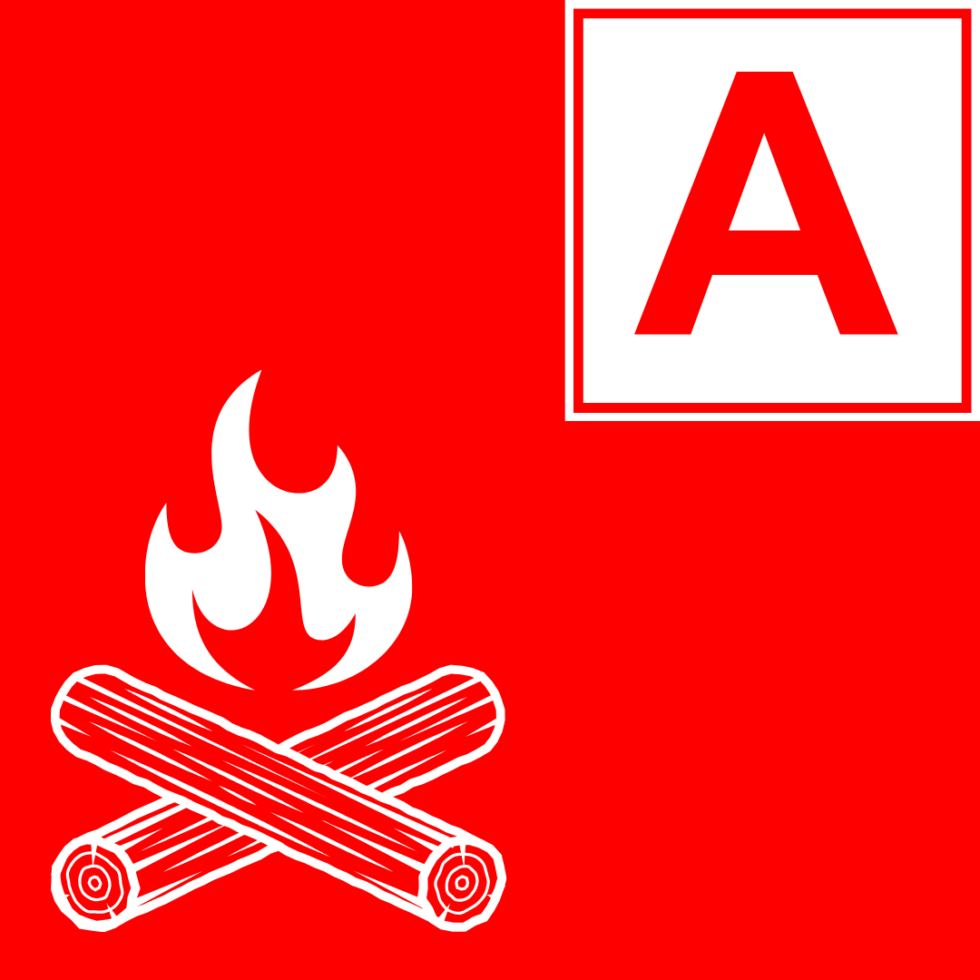
What is a Class A Fires fire? Class A fires are the most common type and occur in almost all environments. They involve solid, combustible materials that burn with embers, such as paper, wood, and textiles.
Type of fire: These fires involve solid combustible materials such as wood, paper, cardboard, textiles, rubber and many plastics.
Suitable extinguishers: Commonly used extinguishers for Class A risks include water and water mist extinguishers. Foam, ABC dry powder and many wet chemical extinguishers also carry a Class A fire rating. Always check the extinguisher's EN 3 rating and your fire risk assessment.
Recognising Class A Fire Risks
Fire Type
Fires involving paper, wood, fabric, cardboard, and common combustible waste.
Where They Start
Bins, stockrooms, office desks, shelving, furniture, soft furnishings.
Environments at Risk
Offices, schools, shops, care homes, corridors, receptions, stairwells.
Need a fire risk assessment for your premises?
Book NowClass B Fires – Flammable Liquids
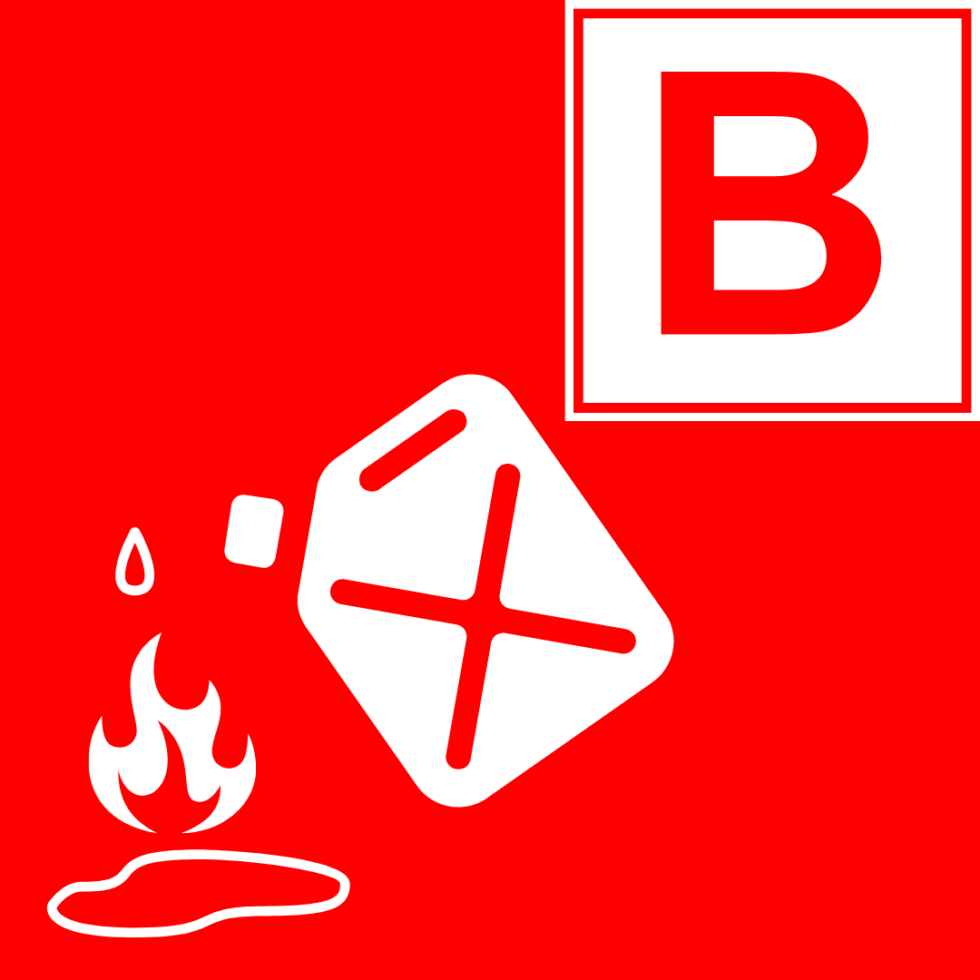
What is a Class B Fires fire? Class B fires involve flammable or combustible liquids such as petrol, oil-based paints, solvents, or alcohol. Many Class B liquids give off flammable vapours and can ignite in the presence of a spark, flame or hot surface.
Type of fire: Class B fires involve flammable or combustible liquids, such as petrol, kerosene, oil, tar, paint, wax, and solvents. These fires do not include cooking oils or fats (which fall under Class F).
Suitable extinguishers: Commonly used extinguishers for Class B fires include foam, ABC dry powder and carbon dioxide (CO2). Always check the extinguisher's EN 3 rating and your fire risk assessment.
Recognising Class B Fire Risks
Fire Type
Fires involving petrol, diesel, oil-based paints, solvents, alcohols.
Where They Start
Garages, workshops, warehouses, maintenance areas, fuel storage.
Environments at Risk
Factories, petrol stations, print shops, vehicle repair centres, labs.
Not sure which extinguisher you need? Talk to our experts.
Get AdviceClass C Fires – Flammable Gases
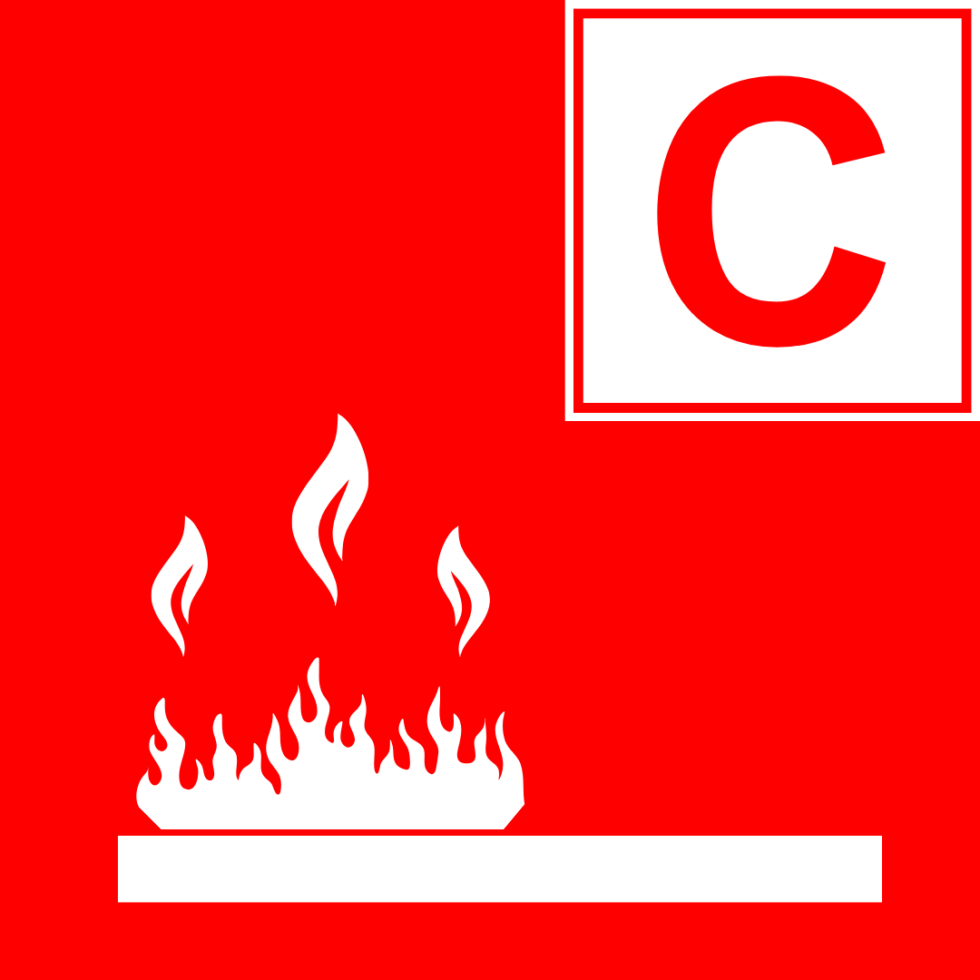
What is a Class C Fires fire? Class C fires involve flammable gases such as propane, butane, and methane. These gases can form explosive mixtures with air and ignite with even a small spark or flame.
Type of fire: These fires are particularly dangerous because gas leaks can go undetected until ignition. These fires require specialist handling. The gas supply should be isolated where it is safe to do so.
Suitable extinguishers: Commonly used extinguishers for Class C fires include dry powder extinguishers rated for Class C fires. Always check the extinguisher's EN 3 fire rating and your fire risk assessment.
Recognising Class C Fire Risks
Fire Type
Fires involving bottled or piped flammable gases like butane, propane, methane.
Where They Start
Kitchens, maintenance rooms, storage areas, near gas heaters or equipment.
Environments at Risk
Catering facilities, laboratories, manufacturing plants, garages.
Book a fire safety survey for your site today.
Book NowClass D Fires – Flammable Metals
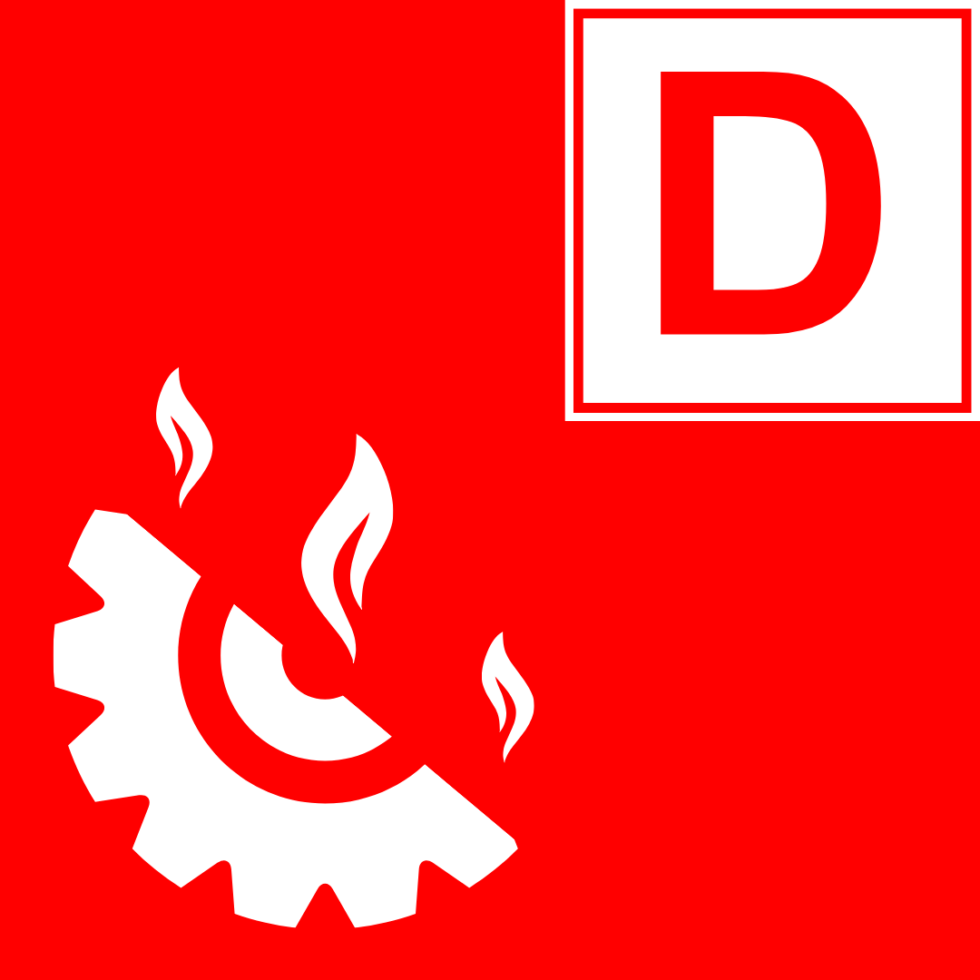
What is a Class D Fires fire? Class D applies to combustible metals, including metallic lithium (not lithium-ion batteries). These fires burn at extremely high temperatures and react violently with water and other common extinguishing agents.
Type of fire: They are most commonly found in specialist industrial environments or laboratories, particularly where fine metal shavings or powders are present.
Suitable extinguishers: Specialist Class D metal powder extinguishers specifically designed for combustible metal fires. Standard water, foam, CO2 and wet chemical extinguishers are not suitable for most combustible metal fires. Always check the extinguisher's EN 3 fire rating and your fire risk assessment.
Recognising Class D Fire Risks
Fire Type
Fires involving combustible metals like magnesium, lithium, potassium, or aluminium dust.
Where They Start
Engineering facilities, production lines, research labs, and chemical plants.
Environments at Risk
Factories, metal workshops, aerospace, military, laboratories.
Specialist fire safety advice for industrial environments.
Get AdviceFires Involving Energised Electrical Equipment

What is a Fires Involving Energised Electrical Equipment fire? These fires involve live electrical equipment such as computers, servers, extension leads, and distribution boards. Although not classified by letter (like A-F), they're common risks in almost all workplaces.
Type of fire: Electrical fires can be caused by overloaded circuits, faulty wiring, damaged equipment, or overheating devices. They pose the added danger of electrocution if handled improperly.
Suitable extinguishers: Commonly used extinguishers for fires involving live electrical equipment include CO2 and dry powder extinguishers rated for electrical use. Always check the extinguisher's EN 3 rating and your fire risk assessment. Water or foam extinguishers should only be used if specifically certified for live electrical equipment.
Recognising Electrical Fire Risks
Fire Type
Fires involving computers, servers, extension leads, machinery, consumer electronics.
Where They Start
Server rooms, offices, plant rooms, under desks, behind displays or fridges.
Environments at Risk
Offices, shops, data centres, server rooms, control rooms, and homes.
Is your electrical fire protection up to standard?
Find OutClass F Fires – Cooking Oils and Fats
What is a Class F Fires fire? Class F fires involve high-temperature cooking oils and fats, typically found in deep fat fryers and commercial kitchens. These fires burn hotter than standard flammable liquid fires and require a specialist extinguisher.
Type of fire: They're common in kitchens and catering environments and can spread rapidly if water is applied.
Suitable extinguishers: Commonly used extinguishers for Class F fires include wet chemical extinguishers with a Class F EN 3 fire rating. Standard water, foam, dry powder and CO2 extinguishers are not suitable for most Class F fires. Always check the extinguisher's EN 3 rating and your fire risk assessment.
Recognising Class F Fire Risks
Fire Type
Fires involving cooking oils and fats, typically in deep fat fryers or commercial cooking equipment, where temperatures can exceed ignition points.
Where They Start
Commercial kitchens, canteens, takeaway shops, cafes, and domestic kitchens with deep fat fryers or pans left unattended.
Environments at Risk
Restaurants, takeaways, school kitchens, care home kitchens, food trucks, and domestic kitchens.
Catering fire safety assessments available nationwide.
Book NowClass L Fires* – Lithium-Ion Battery Fires
What is a Class L Fires* fire? Class L fires involve lithium-ion cells and battery packs used in rechargeable devices and energy storage systems. These fires can escalate rapidly due to the stored energy within the cells. Class L* is a newer classification introduced under BS ISO 3941:2026 and applies specifically to lithium-ion cells and battery packs in which no metallic lithium is present.
Type of fire: Often linked to charging, damage or overheating. Thermal runaway may cause rapid fire spread.
Suitable extinguishers: Extinguishers marketed for lithium-ion battery fires may use water-based or other specialist agents designed to cool and control battery thermal runaway. There is currently no separate EN 3 fire rating for Class L, so suitability should be confirmed against manufacturer certification and your fire risk assessment.
Recognising Class L Fire Risks
Fire Type
Fires involving lithium-ion batteries in devices, storage systems and electric mobility equipment.
Where They Start
Charging areas, storage rooms, workshops, warehouses and offices where batteries are used or charged.
Environments at Risk
Warehouses, offices, residential buildings, care homes, retail premises and logistics centres.
Need advice on lithium-ion battery fire safety?
Get AdviceFree Fire Safety Resources
Get Expert Fire Safety Help
Not sure which fire protection equipment is right for your site? Our experts will review your needs and recommend the best solution, no obligation, no pressure. Call the team on 0333 444 5 999 or use the form below.
Our Priority is You
From your first question to ongoing support, we're here to make fire safety simple.
- Nationwide coverage
- Fire safety experts
- No-obligation advice
- Trusted by UK businesses
- Support 24/7, 365 days a year